About xAI Prosthesis
We are on a mission to blend foundational research with cutting-edge AI to create the next generation of prosthetics. Our work bridges the gap between human potential and technological possibility, ensuring that physical limitations never define human capability.
Our Mission
At xAI Prosthesis, we believe that everyone deserves access to technology that enhances their quality of life. Our mission is to develop AI-powered prosthetics that feel natural, respond intuitively, and restore full functionality to those who need it.
By combining the brilliance of xAI's Grok intelligence with advanced neural interfaces, we're creating prosthetics that don't just replace – they enhance.
Explore Our Technology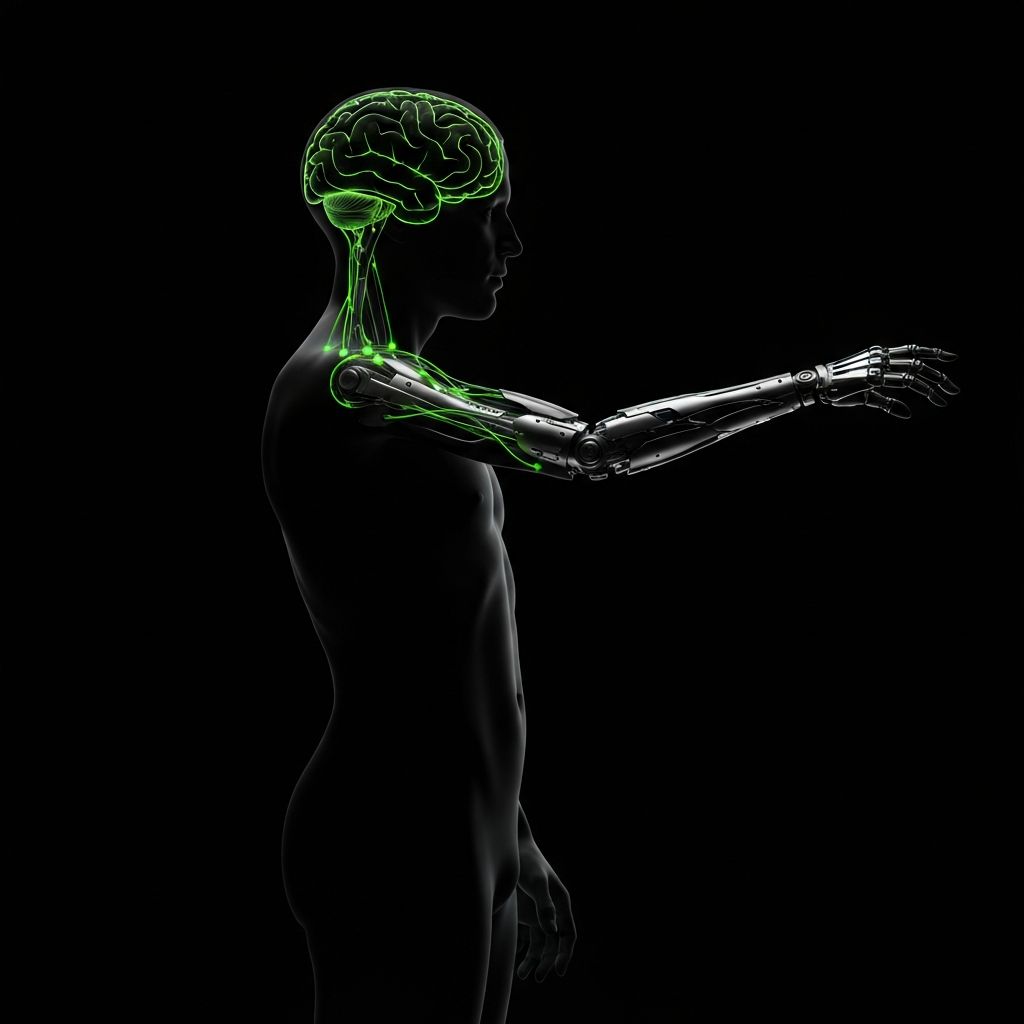
Our Partners
United by vision, driven by innovation. Meet the partners making the impossible possible.

xAI
Pioneering artificial intelligence with Grok for adaptive prosthetic intelligence.
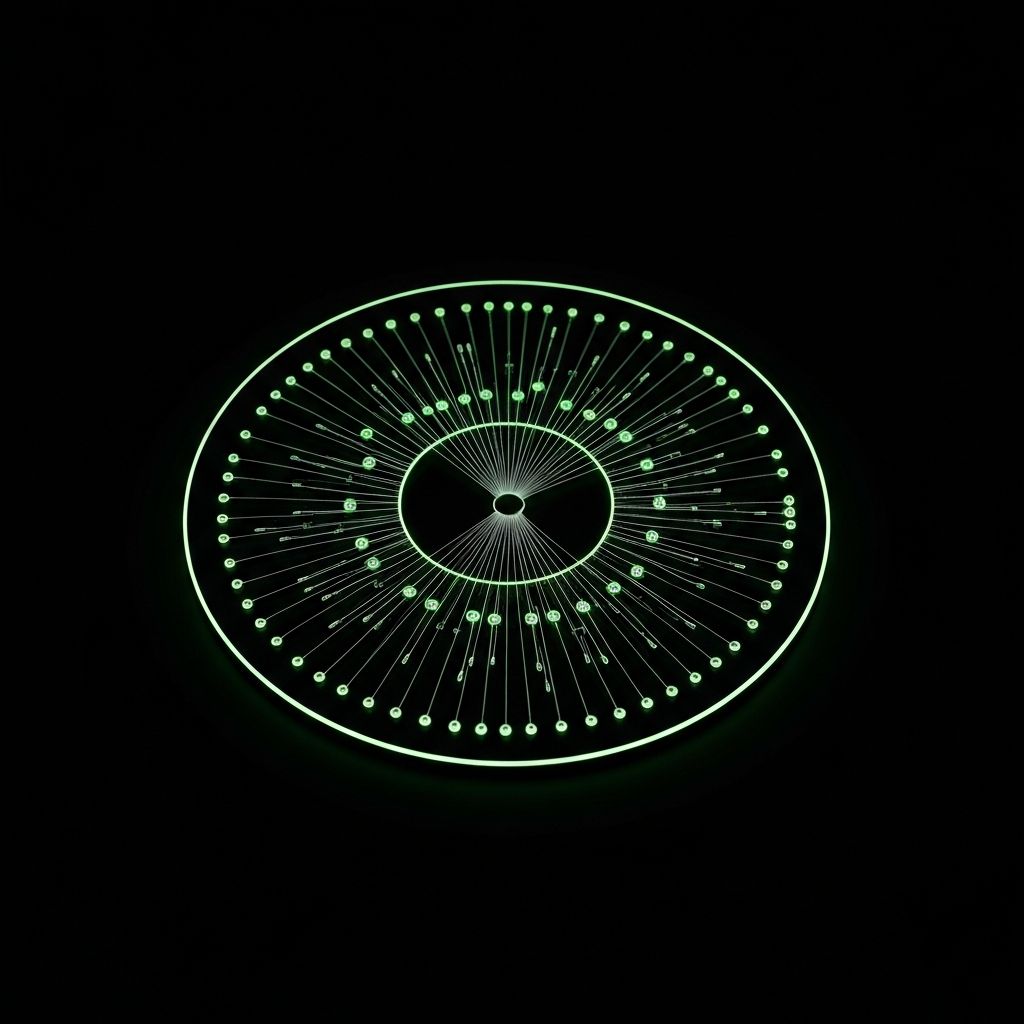
Neuralink
Leading brain-computer interface technology for seamless neural prosthetic control.
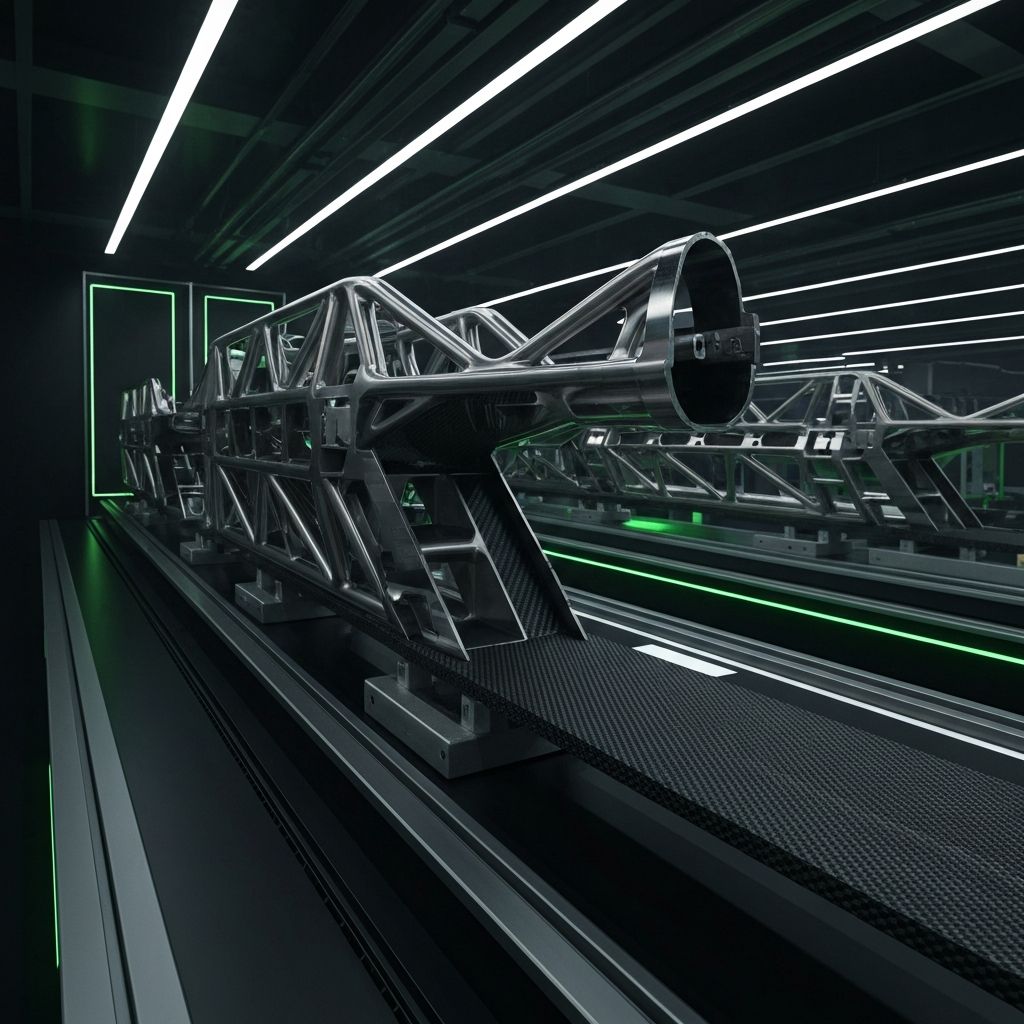
SpaceX
Advanced materials and engineering expertise for lightweight, durable prosthetics.

Pinnacle Empire
Visionary leadership driving the future of human enhancement technology.
The Evolution of Prosthetics
From ancient innovations to AI-powered enhancements – a journey through human ingenuity.
~1500 BCE
Ancient Egypt
First known prosthetic toe crafted from wood and leather.
~300 BCE
Roman Empire
General Marcus Sergius uses iron hand in battle.
1508
Renaissance
German knight Gotz creates mechanical iron hand.
1860s
Industrial Age
Civil War drives prosthetic innovation in America.
1960s
Modern Era
Myoelectric prosthetics introduce muscle control.
2000s
Digital Age
Microprocessor-controlled knees and bionic hands.
2010s
Neural Era
First brain-controlled prosthetic limbs demonstrated.
2024
AI Integration
xAI partnership brings Grok intelligence to prosthetics.
2026
Present
Full sensory feedback and thought control realized.
~1500 BCE
Ancient Egypt
First known prosthetic toe crafted from wood and leather.
~300 BCE
Roman Empire
General Marcus Sergius uses iron hand in battle.
1508
Renaissance
German knight Gotz creates mechanical iron hand.
1860s
Industrial Age
Civil War drives prosthetic innovation in America.
1960s
Modern Era
Myoelectric prosthetics introduce muscle control.
2000s
Digital Age
Microprocessor-controlled knees and bionic hands.
2010s
Neural Era
First brain-controlled prosthetic limbs demonstrated.
2024
AI Integration
xAI partnership brings Grok intelligence to prosthetics.
2026
Present
Full sensory feedback and thought control realized.